
3 Ways to Reduce Air Conditioning Costs for Businesses
As energy costs continue to rise, businesses are seeking effective ways to reduce their air conditioning expenses. This article presents expert-backed strategies for cutting down on cooling costs without sacrificing comfort. From smart climate control solutions to prioritizing regular HVAC maintenance, these insights offer practical approaches for businesses to optimize their air conditioning efficiency.
- Implement Smart Climate Control Solutions
- Prioritize Regular HVAC Maintenance for Efficiency
- Combine Smart Usage with Consistent Maintenance
Implement Smart Climate Control Solutions
One key piece of advice I would offer to any business looking to reduce their air conditioning costs is to focus on preventive maintenance and invest in smart climate control solutions. It's incredibly common for companies to underestimate how much energy and money is lost simply because their systems are not running as efficiently as they could be. In many cases, even small improvements can lead to noticeable savings on monthly utility bills.
From experience, we've found that one of the most effective strategies starts with a proactive, routine maintenance schedule. This includes basic but essential tasks like replacing air filters every 30-60 days, cleaning condenser and evaporator coils, checking ductwork for leaks, and monitoring refrigerant levels. When these items are neglected, systems have to work much harder to cool the same space, which drives up both energy use and operational costs. Regular maintenance not only improves efficiency but also extends the lifespan of the equipment and reduces the likelihood of costly breakdowns during peak summer months.
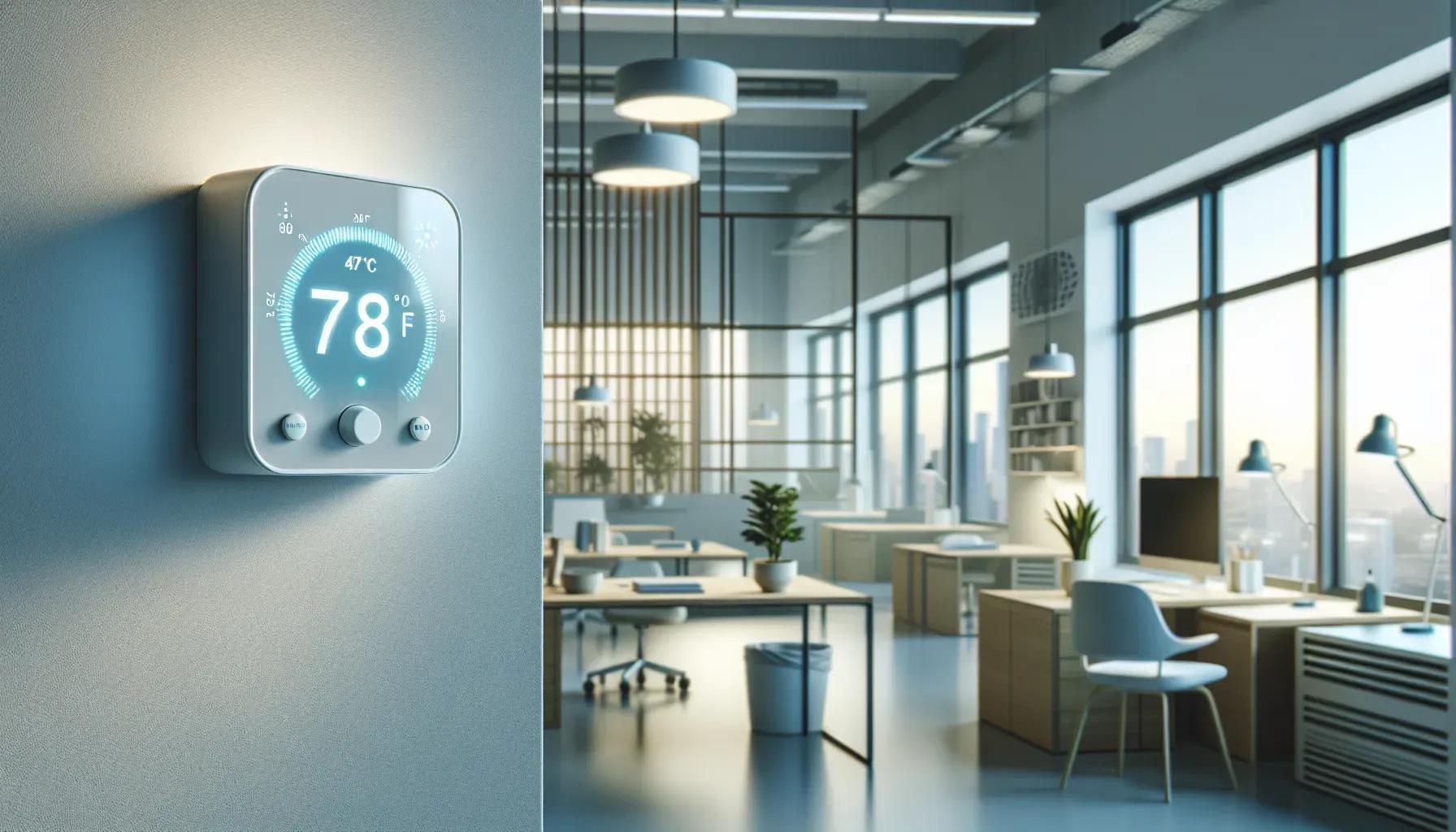
Another extremely impactful solution is upgrading to a smart thermostat or a building automation system (BAS). These systems allow businesses to control temperatures based on occupancy, business hours, and individual zones within the building. For example, you can reduce cooling after business hours, or set different temperatures for office areas versus storage rooms. This kind of precision can cut unnecessary energy use by 10-30%, depending on the size and nature of the business. In some cases, smart thermostats even offer usage analytics, helping business owners fine-tune their cooling strategy over time.
In larger commercial spaces or multi-unit buildings, we also recommend exploring zoning systems and high-SEER HVAC upgrades. Zoning allows you to cool specific areas based on their actual needs, rather than using a one-size-fits-all approach. Upgrading to modern, high-efficiency air conditioners or variable-speed systems can also have a huge impact, especially if your current system is over 10 years old.
Finally, educating employees and involving them in energy-saving habits, like keeping windows closed or reporting drafty areas, can make a difference as well. A holistic approach that combines regular maintenance, technology, employee awareness, and equipment upgrades offers the most sustainable and cost-effective way to manage air conditioning expenses over the long term.


